AIFront

Asia Industry Frontline

  • Home
  • On Site
  • Founder Stories
  • SMEs
  • Craftsmanship
  • AI & Robotics
  • Education & Skills
  • M&A
Search
  • MY BOOKMARK
  • INTERESTS
  • BLOG INDEX
© 2026 Asia Industry Frontline. All Rights Reserved.
Reading: (News Analysis)More Than 80% of Japanese Companies Maintain China Strategy
Share
Font ResizerAa

AIFront

Asia Industry Frontline

Font ResizerAa
  • On Site
  • Founder Stories
  • SMEs
  • Craftsmanship
  • Education & Skills
  • AI & Robotics
  • M&A
Search
  • Home
  • Categories
    • On Site
    • Founder Stories
    • SMEs
    • Craftsmanship
    • Education & Skills
    • AI & Robotics
    • M&A
  • MY BOOKMARK
  • INTERESTS
  • BLOG INDEX
© 2026 Asia Industry Frontline. All Rights Reserved.
AIFront > Blog > Craftsmanship > (News Analysis)More Than 80% of Japanese Companies Maintain China Strategy
CraftsmanshipM&ASMEs

(News Analysis)More Than 80% of Japanese Companies Maintain China Strategy

Last updated: 09/14/2026 8:00 am
Qingcheng
Share

This article is republished from  アジア財経観察

(Asia Financial Observer correspondent Jiuri, Jan 6, Tokyo)

Amid rising concerns over geopolitics and economic security, Japanese companies are displaying a nuanced stance toward China—cautious, but not retreating.
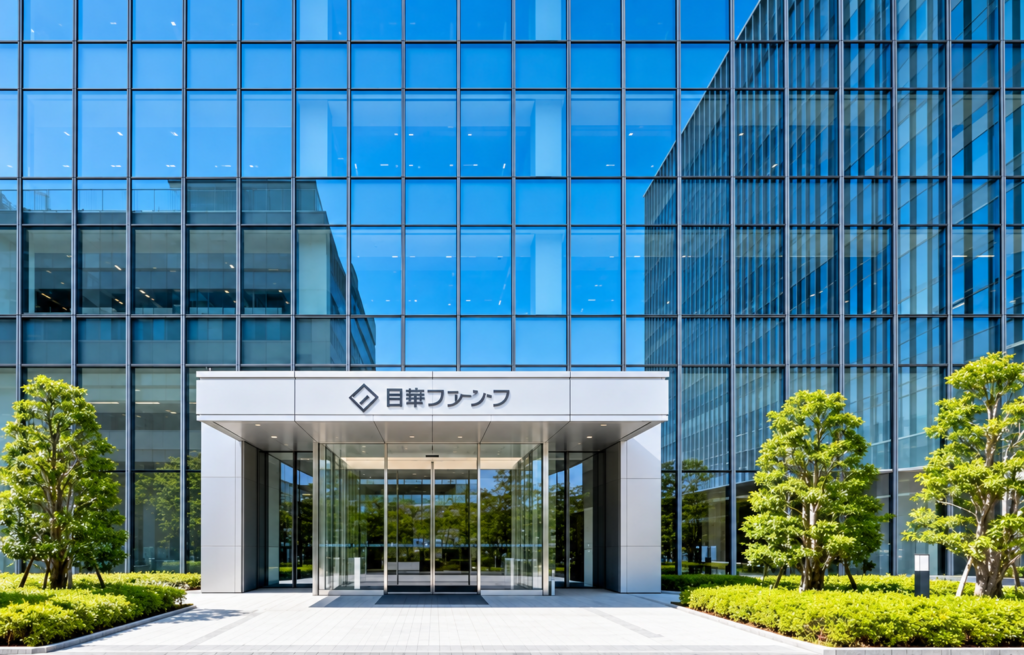
Entrance of Nikkafunfan’s modern glass office building in Japan

A recent survey released by Nikkei targeting executives of major Japanese corporations shows that while more than 60 percent of respondents believe deteriorating Japan–China relations have negatively affected their business environment, 85.6 percent said they would not alter their existing China strategies. The findings underscore the continued, pragmatic reliance of Japanese companies on the Chinese market.

Conducted from early to late December, the survey covered top executives—including presidents and chairmen—at 141 large Japanese companies. Regarding the outlook for bilateral relations, 67.3 percent described the trend as “negative” or “generally negative,” reflecting widespread concern that political risks could spill over into corporate operations.

In contrast to these risk perceptions, actual corporate behavior remains restrained. Most companies have not pursued large-scale adjustments or withdrawals from China, instead opting to maintain operations within existing frameworks while strengthening risk management. Fewer than 20 percent of respondents said they had already adjusted, or were considering adjusting, employee travel to China. Some manufacturers have introduced temporary measures such as limiting non-essential business trips to enhance personnel safety.

In terms of policy expectations, “economic security” topped the list of priorities. More than 40 percent of executives called for clearer institutional support from the government in areas such as supply-chain stability and access to critical resources—outpacing demands for subsidies in frontier sectors like artificial intelligence and semiconductors, as well as inflation-related measures. This preference highlights a growing reliance on state-level frameworks to mitigate external risks amid global uncertainty.

At the same time, the survey indicates broad support for the government’s proactive fiscal stance, though some executives cautioned that fiscal discipline should be maintained to avoid undermining market confidence.

Industry observers note that the survey captures the current reality facing Japanese companies. China remains difficult to replace across sectors such as manufacturing, construction, and consumption. Yet uncertainty surrounding geopolitics and security is forcing companies to adopt a more cautious approach to personnel movement, investment pacing, and risk assessment.

In the foreseeable future, a pattern of “unchanged strategy, tighter tactics” toward China is likely to become the norm for Japanese companies navigating fluctuations in bilateral relations.

You Might Also Like

From a Synonym for “Cost-Effectiveness” to a Symbol of “High Technology and Premium Quality”
AI · Asia · Factories | If the AI Boom Cools, How Long Can Asia’s Factories Stay Hot?
Bangkok Luxury Shopping Experience: A One-Day Tour
Japan’s Home Appliance Industry: Not Just an Exit, but a Change of Track
2025 Global Semiconductor Manufacturing Equipment Top 20 Released: Asian Companies Account for Over Half
TAGGED:Japanese companies
Previous Article Lucy Liu Becomes New Zealand’s Richest Woman Makes History with Fintech Entrepreneurship
Next Article Tourists wearing colorful kimonos walk beside a traditional rickshaw on a Japanese street (Breaking News)Japan Considers Raising Foreign Visa Fees to Five Times Current Levels
- Advertisement -
Ad imageAd image

Latest News

Southeast Asia Does Not Lack Electricity — It Lacks a Unified Power Market
On Site
10/29/2026
Materials Are Hard to Find, and So Are the Tools: The Survival Challenge Facing an Old Tokyo Craftsman
Founder Stories
10/23/2026
The Conscience of a City Lies Underground
Founder Stories
10/19/2026
From Preservation to Entrusting the Future
Founder Stories
10/16/2026
How a Chinese Entrepreneur Built Trust in Japan Over Ten Years — Interview with the President of Kaneko Motors
Founder Stories
09/28/2026
A Century-Old Paulownia Box, Carrying Japan’s Tradition of Thoughtful Giving
Founder Stories
09/28/2026
/ AIFront /

Asia Industry Frontline tracks Asia’s factories, innovation hubs and SMEs, covering the people, tech and businesses reshaping its industries.

Quick Link

  • アジア産業現場
  • アジア財経インサイド
  • YouTube

Top Categories

  • ON SITE
  • SMEs
  • FOUNDER STORIESHot
  • AI & ROBOTICS

Contact US

唐黍株式会社
4F, D’sVARIE Okachimachi Building
4-13-21 Taito, Taito-ku, Tokyo
Tel: 050-1400-0614
Email: toukibi.info@gmail.com

© 2026 Asia Industry Frontline. All Rights Reserved.
  • MY BOOKMARK
  • INTERESTS
  • BLOG INDEX
Welcome Back!

Sign in to your account

Username or Email Address
Password

Lost your password?